Timber Species for Outdoor Furniture: Ipe, Accoya and More
2026-11-09 · 9 min read · By AOTUDE Furniture Team
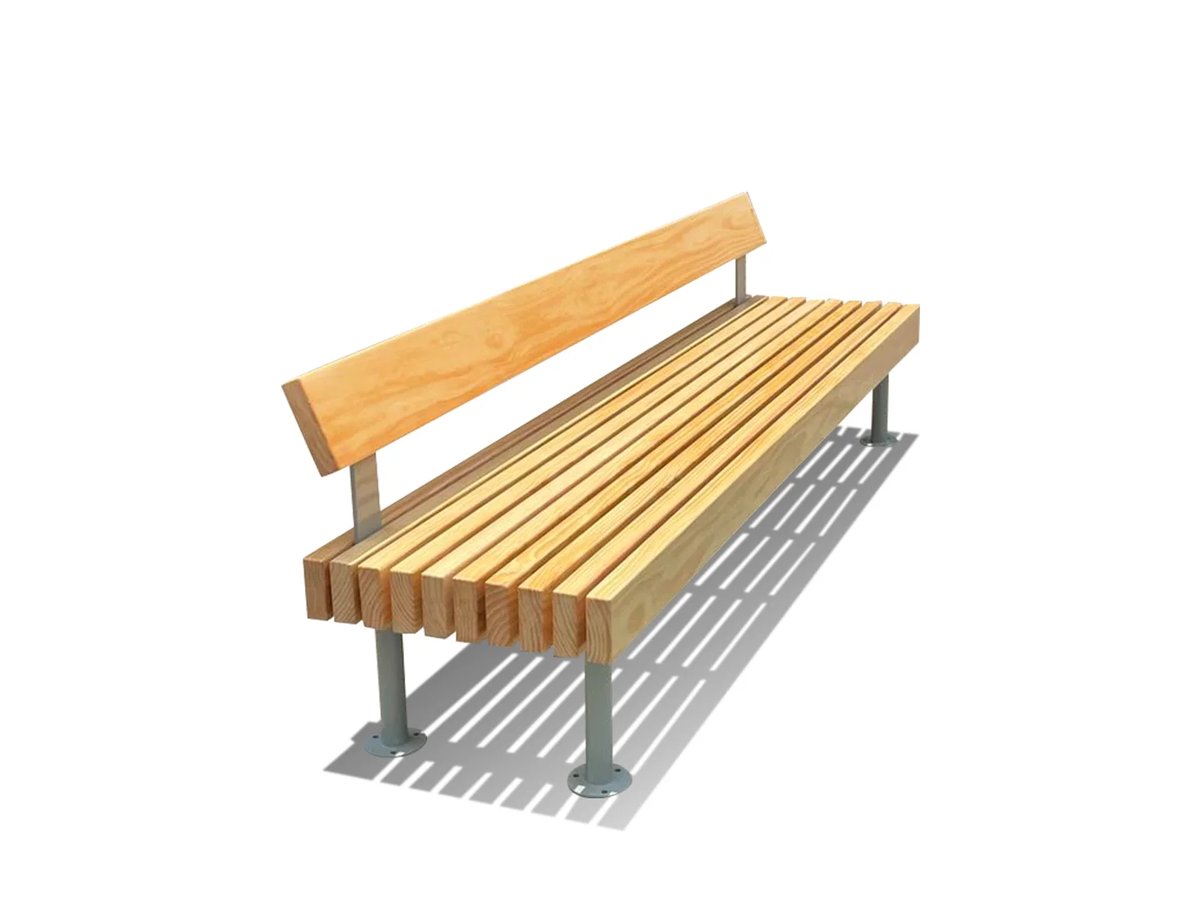
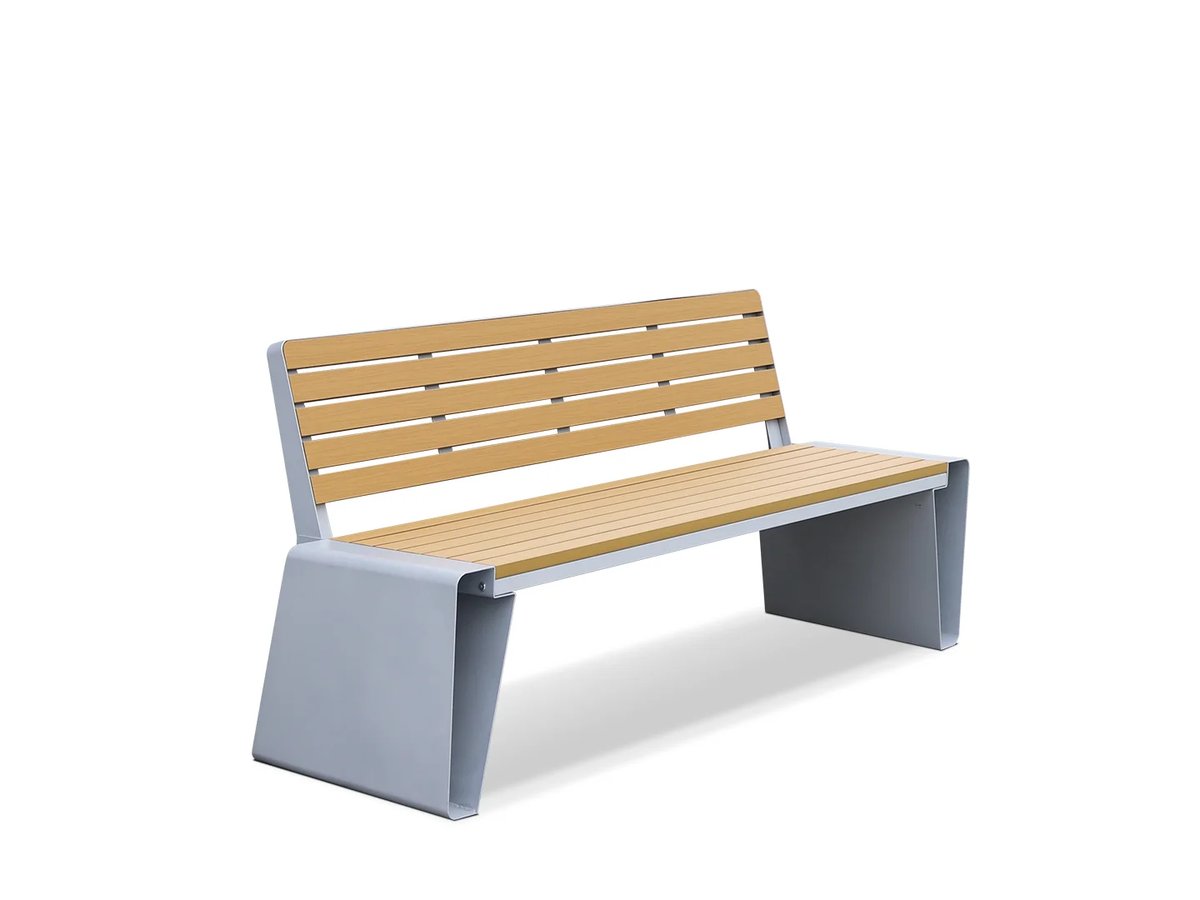
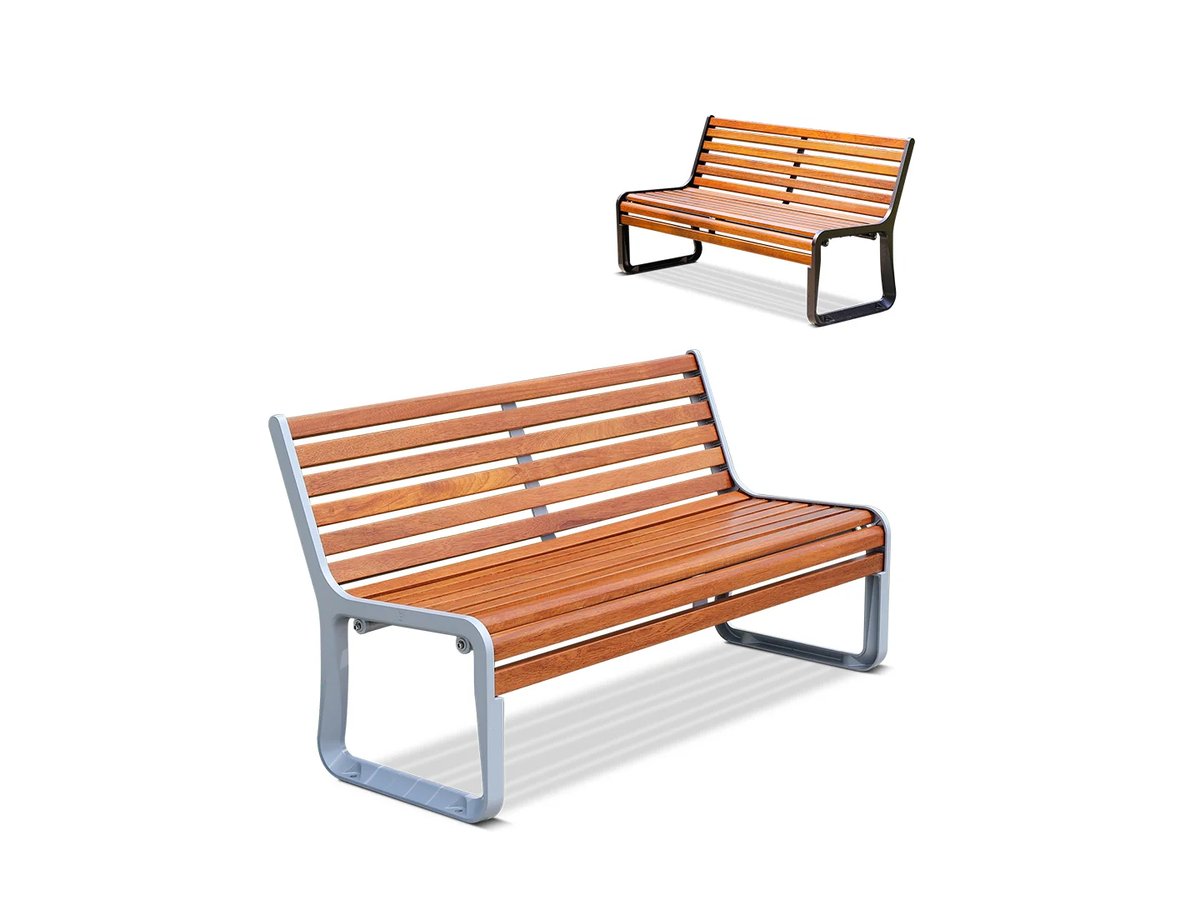
A well-built park bench usually dies in its timber, not in its frame. Municipal maintenance teams across Europe and North America report the same pattern: a galvanized or powder-coated steel frame still structurally sound at year twelve, while the slats bolted to it have splintered, cupped, or rotted through at the fixing line. The species of wood specified at the ordering stage is the single biggest variable in that outcome — more than the oil system, more than the coating on the frame, and often more than the climate itself. Yet tender documents routinely say simply "hardwood slats" as if all hardwoods were interchangeable. They are not. This guide compares the species most commonly offered for outdoor furniture slats and structural timbers, explains how natural durability and wood modification change the equation, and gives specifiers a practical framework for matching a species to a budget, a maintenance regime, and a site.
Why Timber Species Matters More Than Surface Finish
An oil or stain makes freshly installed slats look identical regardless of species, which is exactly why the difference gets missed in catalogues and renderings. The finish sits on the surface; the species determines what happens underneath it for the next ten years. Three properties drive most of the real-world performance gap:
- Natural durability — the wood's inherent resistance to fungal decay and, to a lesser degree, insects. European standard EN 350 grades this from Class 1 (very durable, e.g. ipe) down to Class 5 (not durable, e.g. untreated pine sapwood).
- Dimensional stability — how much the board moves with moisture cycles. Timber that swells and shrinks aggressively works fixings loose, splits along the grain, and opens the very cracks that let water and decay enter.
- Density and hardness — density correlates with splinter resistance, wear under foot traffic, and vandal resistance, but also with weight, machining cost, and how hard the material is on fixings.
A species that is durable but unstable will crack around its screws; a species that is stable but soft will dent and splinter under skateboard grinders and shovel blades. The right answer depends on which failure mode the site actually punishes hardest.
Durability Classes: The Comparison Table Specifiers Actually Need
The table below summarises the species most commonly quoted for outdoor furniture slats. Service life figures assume above-ground use, open-joint slats that drain freely, and basic annual cleaning — the conditions most public-realm installations actually get.
| Species | EN 350 durability | Typical slat life above ground | Movement (stability) | Relative cost | Notes for specifiers |
|---|---|---|---|---|---|
| Ipe | Class 1 | 20–25+ years | Low–moderate | Very high | Extremely dense (~1,050 kg/m³); pre-drill everything; splinter hazard when it weathers |
| Accoya (acetylated radiata pine) | Class 1 (modified) | 20–25+ years | Very low | High | Acetylation makes it dimensionally exceptional; light colour weathers to silver-grey |
| Teak (plantation) | Class 1–2 | 15–25 years | Low | Very high | Supply-chain scrutiny required; oiling optional, purely cosmetic |
| European oak | Class 2–3 | 10–15 years | Moderate | Medium | Tannins react with ordinary steel fixings; specify stainless |
| Thermally modified pine/ash | Class 2–3 | 10–15 years | Low | Medium | Heat treatment removes nutrients decay feeds on; brittle edge grain |
| Pressure-treated pine | Class 3–4 (treated) | 8–12 years | High | Low | Treatment envelope varies with sapwood penetration; check certification per batch |
Two caveats belong next to any such table. First, durability classes describe the heartwood of the species; sapwood is almost always Class 5 regardless of species, so the proportion of sapwood in the supplied boards matters as much as the species name on the purchase order. Second, "typical life" assumes the slats are a replaceable component on a sound frame — which, given a properly designed bench, is exactly how they should be treated.
Ipe: The Performance Benchmark and Its Trade-Offs
Ipe remains the reference point for high-traffic public seating, and for good reason: its natural durability class and density produce slats that shrug off decades of weather, abrasion, and vandalism with no treatment at all. It is the species behind our Curve Backless Bench, where brushed stainless legs and dense ipe slats are intended to age together for decades.
The trade-offs are equally real and belong in the specification, not hidden in the small print:
- Weight and machining. Ipe is heavy enough to affect bench shipping weights and too hard to install with ordinary screws — pre-drilling and high-quality stainless fixings are mandatory, not optional.
- Splintering as it weathers. Left unfinished, ipe surfaces develop raised grain and splinters over years. For seating where children crawl and people sit with bare skin, that is a genuine liability consideration; some cities therefore choose smoother, lighter species for benches and reserve ipe for decking-like applications.
- Supply-chain documentation. Dense tropical hardwoods attract more scrutiny than plantation pines. Ask suppliers for species-level documentation of origin, and treat vague answers as a red flag — our related guide on timber sourcing and traceability lists the questions worth putting in writing.
Accoya: What Acetylation Actually Changes
Accoya starts life as fast-growing radiata pine and is transformed by acetylation — a chemical modification that replaces the hydroxyl groups in the wood with acetyl groups, essentially feeding the wood vinegar molecules that fungi cannot digest and water cannot easily bond to. The result is a timber with Class 1 durability and movement figures roughly 75% lower than untreated pine, from a managed plantation feedstock rather than old-growth harvest.
For street furniture, accoya's stability is the headline property. Because the boards barely move with moisture, slats stay tight on their fixings, coatings adhere better, and the light-coloured wood can be left to weather to a consistent silver-grey — which is precisely the finish most landscape architects eventually want anyway. Our Zen Round Timber Bin uses an accoya hardwood stripe against a curved steel shell for exactly this reason: the timber component needs to hold tight tolerances inside a formed steel body for years without gapping.
The considerations: accoya costs more than treated softwood (though well below ipe), it is softer than dense hardwoods so it dents under concentrated impact, and modified timbers need fixing systems approved for the modification chemistry — ordinary bright steel fasteners are unsuitable in any case.
Oak, Teak and Thermally Modified Alternatives
European oak sits in the middle of every axis: moderately durable, moderately priced, moderately stable. It is a defensible choice for parks departments replacing slats on a 10–15 year cycle, with one specific trap — oak tannins corrode ordinary steel and even galvanized fixings in wet conditions, producing black streaks around every screw. Stainless A2 or A4 fixings are non-negotiable.
Teak delivers class-leading durability with natural oils that resist moisture uptake, and remains the default for premium marine-adjacent projects. The specification question is supply: ask for plantation-grown material with documented origin, because the species' reputation has historically made it a target for unverifiable harvesting claims.
Thermally modified pine and ash occupy an interesting middle ground. Heat treatment (typically 180–220°C in oxygen-depleted kilns) permanently removes the sugars that decay fungi feed on, lifting a fast-grown softwood to Class 2–3 durability with excellent stability at a mid-range price. The penalty is brittleness: edges chip more readily than unmodified timber, so it suits sheltered, seated applications better than kerb-adjacent benches that take trolley and bin impacts.
Matching Species to Site Reality
Species selection goes wrong most often when it is made in isolation from the site and the maintenance budget. A short diagnostic sequence keeps the decision honest:
- Classify the site. Coastal salt exposure, dense foot traffic, high vandalism risk, and splash zones each push toward the durable-and-dense end (ipe) or the stable-and-replaceable end (accoya, thermo-pine).
- Fix the maintenance regime first. If the estate gets one cleaning pass a year and no reactive budget, specify species that tolerate neglect — that argues for ipe or accoya and against oak.
- Decide the aesthetic endpoint. All untreated timber weathers to grey. If a warm brown tone must persist, oiling contracts (and budget) are required; if silver-grey is acceptable or desired, skip the oil entirely and let stability, not colour, drive the choice.
- Set the replacement philosophy. Design slats as replaceable components with accessible fixings from day one, and the species decision becomes a cost-per-cycle calculation rather than a single gamble.
- Write the fixing specification into the same document. Species and fasteners fail together; a Class 1 species on bright-steel screws is a Class 5 installation.
For procurement teams comparing bench ranges across a whole estate, our park benches category shows how different frame-and-slat combinations map to these species choices in practice.
What to Ask a Timber Supplier Before You Sign
Whatever species you settle on, four questions separate a supplier worth tendering with from one worth avoiding:
- What proportion of the supplied boards is sapwood, and is that documented? Sapwood performance has nothing to do with the species' durability rating.
- Which fixing system do you warrant with this species? The answer reveals whether the supplier has actually installed the material in public-realm conditions.
- What is the moisture content at delivery, and what does the profile drawing tolerance allow for in-service movement? Answers in percentages and millimetres, not assurances.
- What documentation accompanies the timber's origin? Species-level traceability is now a tender requirement in a growing number of public procurement frameworks, not a courtesy.
Sourcing Timber Furniture at AOTUDE
AOTUDE manufactures outdoor furniture in Foshan, China, with a 20,000 m² factory supplying municipal and landscape buyers worldwide on a factory-direct basis. Our timber bench and bin ranges span dense tropical hardwoods, accoya-modified slats, and solid softwood seating, with per-model MOQ from 5 pcs (most models at 20 pcs, custom runs from 50 pcs), so a pilot installation can be specified before a fleet-wide rollout. OEM and ODM development is available for projects that need specific slat profiles, species, or frame geometry, and manufacturing carries 5–10 year warranties depending on the product line. Browse the current ranges at aotude.com or request a species-matched quotation for your next tender.