Hot-Dip Galvanizing for Outdoor Furniture: Coating Thickness, Standards and Service Life
2026-09-24 · 6 min read · By AOTUDE Furniture Team
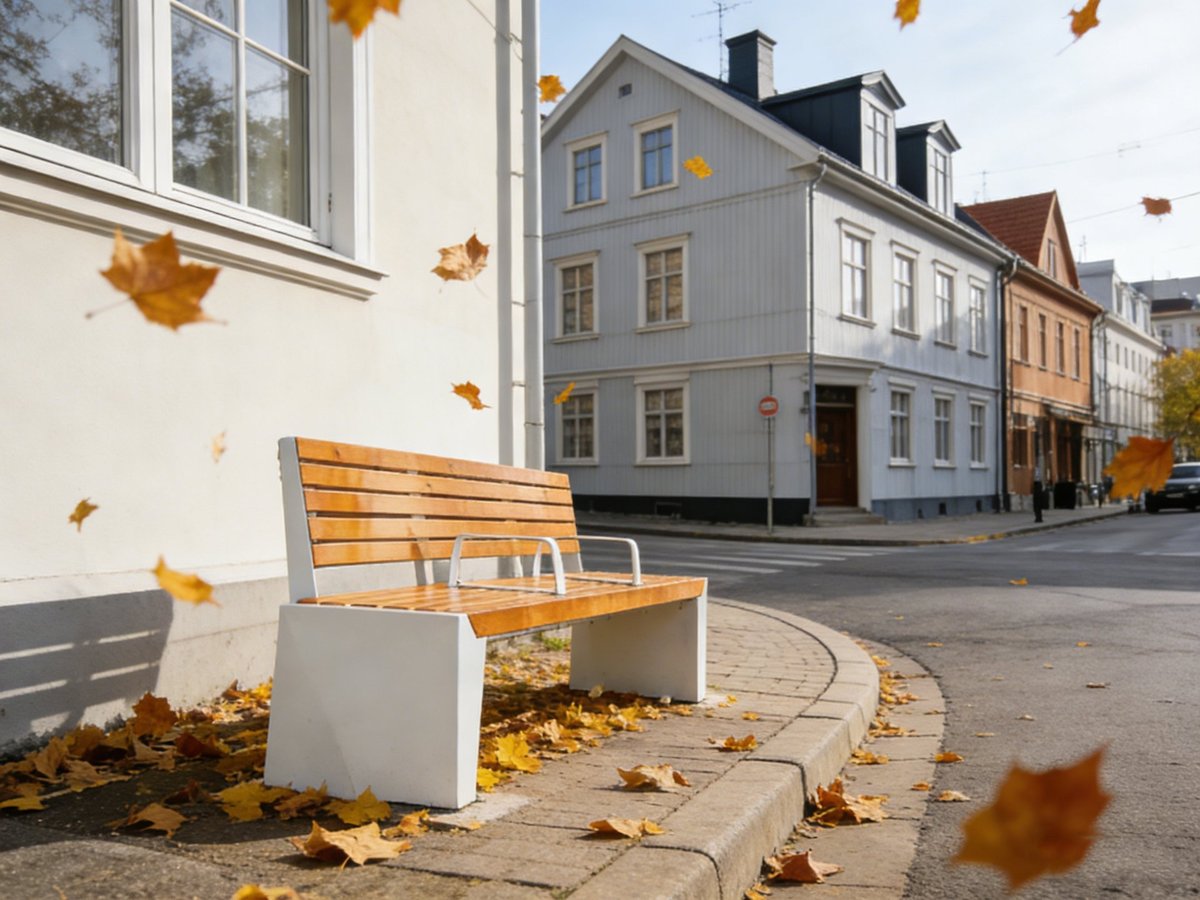
Ask a park bench why it is still standing after fifteen winters, and the answer is usually hidden under the paint: a dull grey layer of zinc. Hot-dip galvanizing is the least glamorous — and most consequential — specification decision in outdoor steel furniture. It costs a fraction of the furniture's total price, yet it decides whether the frame rusts from the inside out in year five or stays structurally sound in year twenty-five. This guide explains how hot-dip galvanizing works, what coating thickness standards actually require, and what municipal buyers, landscape architects and contractors should verify before signing a galvanized steel site furniture contract.
How Hot-Dip Galvanizing Protects Steel
Hot-dip galvanizing (HDG) means the finished steel fabrication is immersed in a bath of molten zinc at around 450 °C. The zinc reacts with the steel surface and forms a series of zinc-iron alloy layers, topped by a nearly pure zinc layer. The result is a coating that is not glued onto the steel — it is metallurgically bonded to it, typically harder than the steel underneath.
That bond delivers three forms of protection at once:
- Barrier protection. The zinc layer simply keeps moisture, oxygen and chlorides away from the steel surface.
- Sacrificial (cathodic) protection. Zinc is more electrochemically active than steel. If the coating is scratched to bare metal, the surrounding zinc corrodes preferentially and protects the exposed steel — something paint alone can never do.
- Complete coverage, inside and out. Because the part is dipped, zinc reaches internal surfaces, hollow sections, corners and edges that spray-applied coatings miss. For street furniture with closed profiles and welded boxes, this is the single biggest advantage over liquid paint.
Coating Thickness: ISO 1461 vs ASTM A123
Not all "galvanized" means the same thing. The minimum zinc thickness depends on the steel's thickness class, and it is defined by two standards most tenders reference: ISO 1461 (international) and ASTM A123 (North America). Heavier steel sections hold a thicker coating, which is one reason a chunky park bench frame often outlasts a thin-walled litter bin body even in the same park.
| Steel thickness (mm) | ISO 1461 min. mean coating (µm) | ASTM A123 min. mean coating (µm) | Approx. zinc mass (g/m²) |
|---|---|---|---|
| ≤ 1.5 | 45 | 45 | 320 |
| > 1.5 – 3.0 | 55 | 55 | 390 |
| > 3.0 – 6.0 | 70 | 65 | 500 |
| > 6.0 | 85 | 85 | 610 |
Two practical checks for specifiers:
- Ask for the coating certificate, not the word "galvanized." A magnetic thickness gauge reading taken on the finished part is the only trustworthy evidence. Reputable manufacturers can supply per-batch test reports against ISO 1461 or ASTM A123.
- Watch for pre-galvanized sheet. Material galvanized before fabrication (Z275 coil, roughly 20 µm) loses its protection at every cut, weld and drilled hole. For outdoor furniture, post-fabrication hot-dip galvanizing is the correct specification.
Duplex Systems: Galvanizing Plus Powder Coating
Most high-end public furniture — including our Stonebase park bench — uses a duplex system: hot-dip galvanizing followed by a polyester powder coat. The combination is genuinely synergistic rather than cosmetic. The zinc handles corrosion; the powder coat handles UV, colour matching, impact and graffiti-friendly cleaning. Industry field data consistently shows the duplex system lasting 1.5 to 2.3 times the sum of the individual coating lifetimes, because the powder coat shields the zinc from weathering while the zinc stops under-film rust from spreading at scratches.
The critical detail is surface preparation. Powder coating directly over a fresh galvanized surface causes outgassing bubbles and poor adhesion, so the zinc must be swept-blasted or chemically pretreated first. When you audit a factory, ask specifically how they prepare galvanized steel before coating — a vague answer here predicts peeling paint within two years.
Design Details That Make or Break the Coating
Hot-dip galvanizing is a dipping process, so the part must let molten zinc in and let it drain out. Fabrications that ignore this come back with uncoated pockets, puddled zinc or warped frames. The details that separate experienced furniture factories from job shops:
- Vent and drain holes in every closed section and hollow leg, sized so zinc can flow freely and ash can escape.
- Weld quality and continuity: slag-included welds blister during dipping; fully sealed welds trap expanding air and distort the frame.
- Bathing angle: long bench frames are dipped at an angle to avoid distortion — a reason oversized parts need an adequately sized galvanizing kettle.
- Cut edges and drilled holes are automatically zinc-sealed after dipping, unlike paint systems where every field-cut edge needs touch-up.
For a deeper comparison of zinc-based and alloy-based corrosion strategies, see our corten steel vs powder-coated steel analysis, which covers where weathering steel wins instead.
Expected Service Life by Environment
Zinc corrodes slowly and predictably — roughly 1–2 µm per year in a typical urban atmosphere. That predictability is what makes galvanizing so bankable in public procurement budgets:
| Environment | Typical first maintenance for 85 µm HDG |
|---|---|
| Rural / low pollution | 60+ years |
| Urban / moderate | 40–60 years |
| Coastal / marine (within 1 km of shore) | 20–40 years |
| Heavy industrial / chemical | 15–25 years |
With a duplex system, add the powder coat's life on top. Even in coastal parks — the worst case in most municipal portfolios — a properly specified duplex coating comfortably exceeds a 10-year no-rust expectation. For a wider view of how material choices drive total cost of ownership, our outdoor furniture materials guide compares galvanized steel against corten, hardwood and recycled plastic.
What to Check in a Galvanized Furniture Quote
Before awarding a tender for galvanized steel site furniture, ask the supplier to confirm, in writing:
- Post-fabrication hot-dip galvanizing to ISO 1461 or ASTM A123, with batch coating thickness reports
- Surface preparation method (sweep blasting / pretreatment) before powder coating
- Duplex powder coat: polyester or super-durable polyester, film thickness ≥ 60–80 µm
- Stainless or galvanized fasteners, isolated from dissimilar metals
- Drainage and venting details for hollow sections
- Warranty terms distinguishing structural integrity from cosmetic finish
AOTUDE is a factory-direct manufacturer of outdoor site furniture in Foshan, China, operating a 20,000 m² production facility where hot-dip galvanizing, powder coating and hardwood assembly sit under one roof — so coating quality is controlled in-house, not outsourced. We supply benches, litter bins, planters and bike racks with a standard MOQ of 50 pieces, full OEM/ODM customization for municipal and landscape projects, and a 5–10 year warranty on structure and coatings. To discuss a galvanized or duplex-coated specification for your next tender, contact our export team via aotude.com.