Park Furniture Budget Tiers: How to Allocate Site Furnishings Spending in Public Spaces
2026-09-30 · 5 min read · By AOTUDE Furniture Team
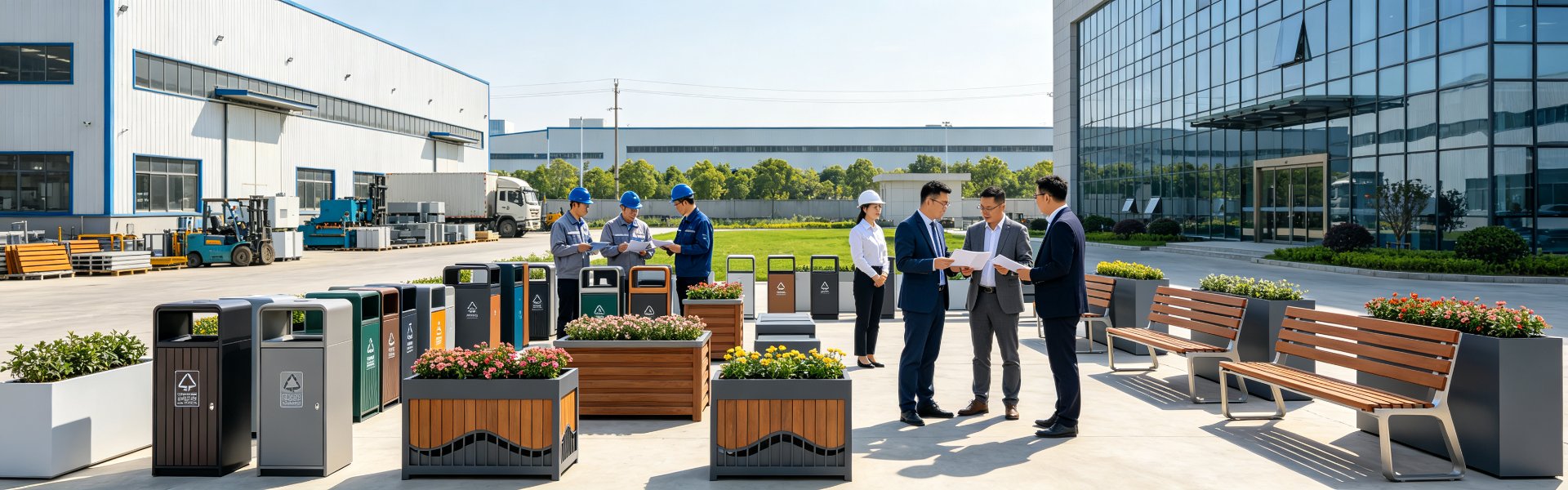
Every park project starts with the same awkward conversation: the wish list is long, the budget is fixed, and somebody has to decide which items get the good spec and which ones get value-engineered. Municipal buyers, landscape architects and contractors who handle this well do not treat the park furniture budget as one flat number. They split it into tiers, assign each tier a job, and defend the allocation with lifecycle logic instead of unit prices. This article lays out a three-tier framework you can apply to almost any park, plaza or streetscape project, together with realistic allocation percentages and the trade-offs behind each decision.
Why a Flat Budget Fails in Public Space Procurement
The cheapest way to destroy a furniture budget is to apply the same specification level to every item. Uniform specs sound fair and simplify tender documents, but they ignore a basic asymmetry: not all site furnishings wear out — or get used — at the same rate.
A litter bin on a transit plaza may be emptied ten times a day and kicked, burned and scratched daily. A planter in a quiet memorial garden may sit untouched for years. Specifying both to the same vandal-resistant standard means overpaying for one and underserving the other. Tiering the budget fixes this by matching specification intensity to actual exposure and usage, which is the same logic professional specifiers apply in the broader public space furniture planning process.
The Three-Tier Model for Park Furniture Spending
Most successful projects we have supplied fall into three tiers. The table below summarises how each tier works in practice:
| Tier | Share of budget | Typical specification | Best used for | Expected service life |
|---|---|---|---|---|
| Tier 1 — High-exposure | 40–50% | Heavy-gauge galvanized steel, 316 stainless in coastal sites, anti-vandal fixings, powder-coated finish | Litter bins, benches and bollards in transit hubs, city centres, sports facilities | 10–15 years |
| Tier 2 — Standard use | 30–40% | Galvanized frames with FSC hardwood or perforated steel slats, standard fixings | Neighbourhood park seating, planters along main paths, picnic areas | 8–12 years |
| Tier 3 — Low-exposure | 15–25% | Lighter steel or recycled plastic lumber, simpler finishes | Garden planters, secondary paths, occasional-use seating, decorative items | 5–8 years |
Two things matter more than the exact percentages. First, Tier 1 should never be diluted — it covers the items whose failure generates complaints, emergency repairs and reputational damage. Second, Tier 3 is where you gain flexibility: trimming decorative items is politically easy and rarely noticed by the public.
How to Allocate the Budget Across Product Categories
Once tiers are set, the next question is how the total splits across product families. There is no universal rule, but the allocation below reflects what we see in mid-size municipal projects:
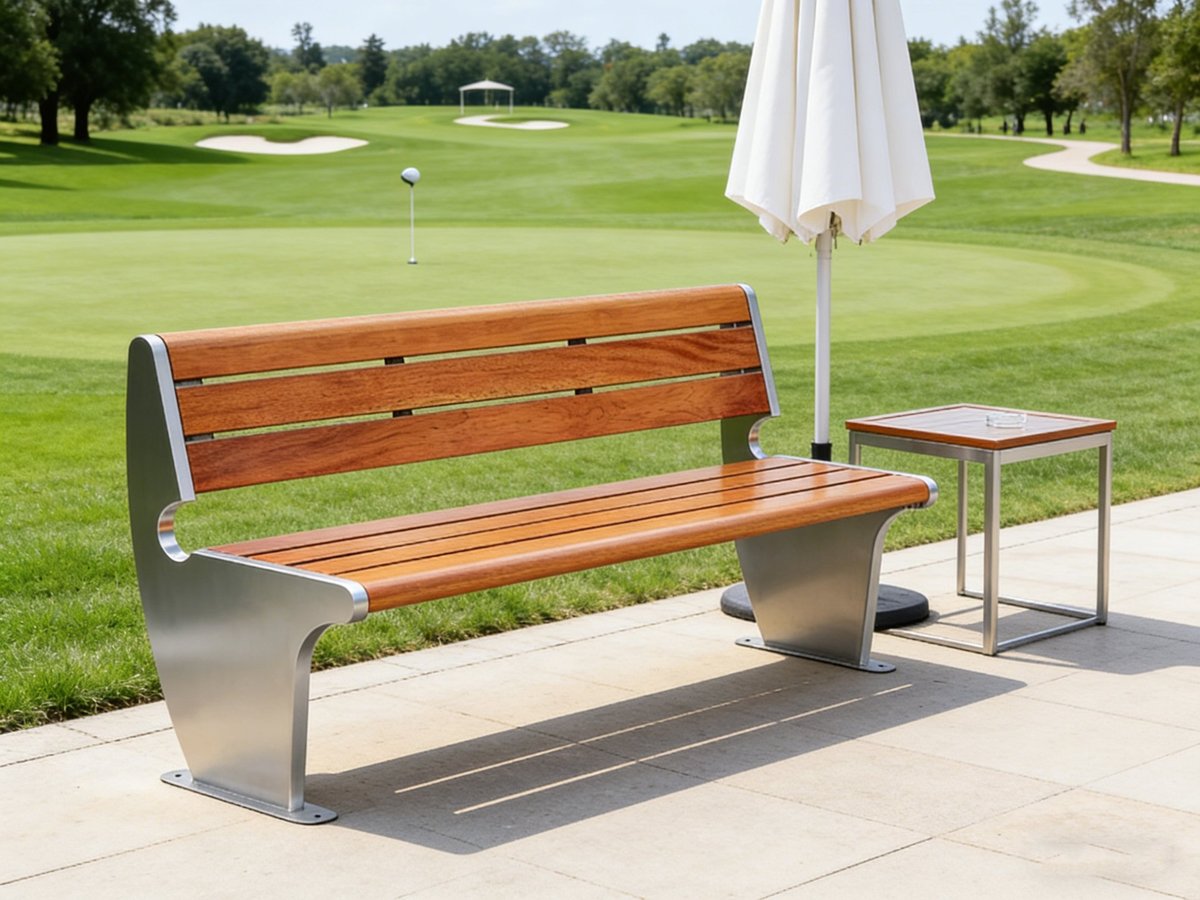
- Seating (benches and picnic tables): 35–45%. Seating carries the heaviest public use and the highest expectation of comfort. A well-specified bench with hardwood slats and a galvanized frame is worth the premium — this is the category where bench selection decisions most affect daily user satisfaction.
- Waste and recycling bins: 15–25%. Higher in transit-oriented or food-vendor-heavy parks, lower in natural areas. Capacity and collection frequency matter more than appearance here.
- Planters and greening elements: 10–20%. Flexible, relocatable and often phased, so they absorb budget adjustments well.
- Bike racks and bollards: 5–10%. Low unit cost but high functional value; rarely worth over-specifying.
- Special items (shelters, drinking fountains, signage mounts): 10–15%. Project-specific, often the first place value engineering strikes.
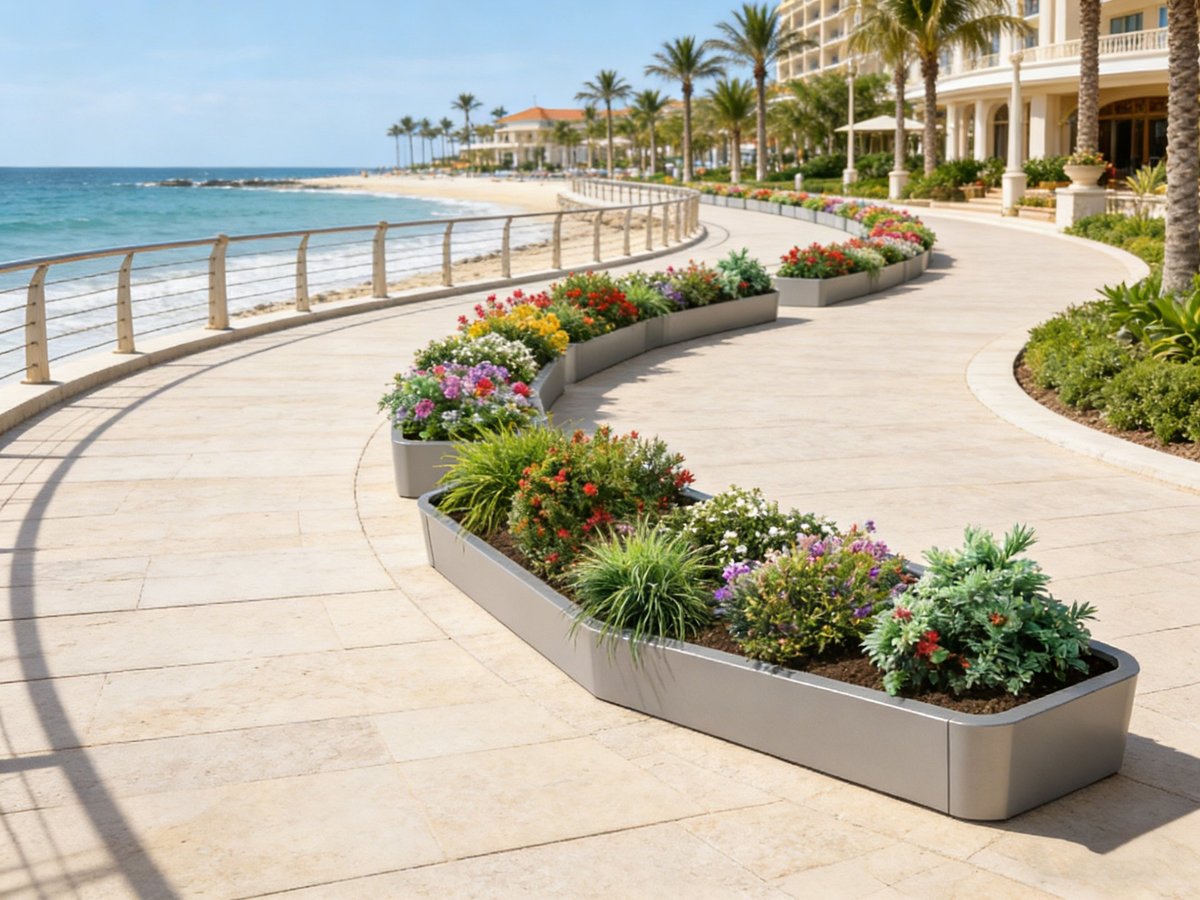
These percentages assume a balanced urban park. A coastal promenade project, for example, should shift weight toward corrosion-resistant materials — the salt-air considerations described in our coastal maintenance guide change the economics of every tier.
Unit Price Versus Lifecycle Cost
Tiering only works if procurement evaluates lifecycle cost, not just the purchase price. A bin that costs 30% more upfront but survives 12 years instead of 5 is usually the cheaper line item once repainting, spare parts, labour and disposal are counted. Our earlier analysis of how durable site furnishings cut city maintenance costs shows how quickly maintenance figures dominate a 10-year comparison.
A practical rule: for Tier 1 items, always compute cost per service year. Divide delivered price by expected years in service under realistic exposure. For Tier 3 items, unit price can legitimately lead the decision — nobody needs a marine-grade planter in a sheltered courtyard.
Where to Upgrade and Where to Save
When the budget gets squeezed mid-project — and it usually does — use this checklist to decide what to protect:
Protect (do not downgrade):
- Fixings and anchoring hardware on all public-facing items (tamper resistance pays for itself)
- Galvanization and coating thickness on Tier 1 steel structures
- Bench slat material in the highest-traffic zones
- Replacement-part availability and warranty terms
Safe to reduce:
- Decorative planters and secondary-path seating
- Custom colours or premium finishes on low-exposure items
- Quantity of special-purpose items in phase one (phase them into year two instead)
- Accessories that can be retrofitted later, such as ashtray kits or armrests
Following the list in that order preserves the parts of the project that are hardest and most expensive to fix after installation.
Working With a Factory-Direct Supplier to Stretch the Budget
The final lever on a park furniture budget is the supply chain itself. Working directly with a manufacturer rather than through a distribution chain typically recovers 15–30% of the delivered cost — margin that can be redirected into higher-tier specifications.
This is where AOTUDE fits into municipal and contractor projects. As a factory-direct manufacturer operating a 20,000 m² production base in Foshan, China, we supply galvanized and powder-coated benches, litter bins, planters and bike racks at every budget tier, with a minimum order quantity of just 50 pieces — low enough for phased park renovations. OEM and ODM services let landscape architects match drawings to a tier-appropriate specification, and our 5–10 year warranties back the lifecycle assumptions that make tiered budgeting defensible in front of a council. Browse the full range at https://aotude.com or request a quotation built around your tier structure — our project team will return an itemised breakdown that shows exactly where each specification level earns its cost.