Salt-Air Maintenance for Coastal Outdoor Furniture: Cleaning Schedules, Rust Prevention and Inspection Plans
2026-09-29 · 7 min read · By AOTUDE Furniture Team
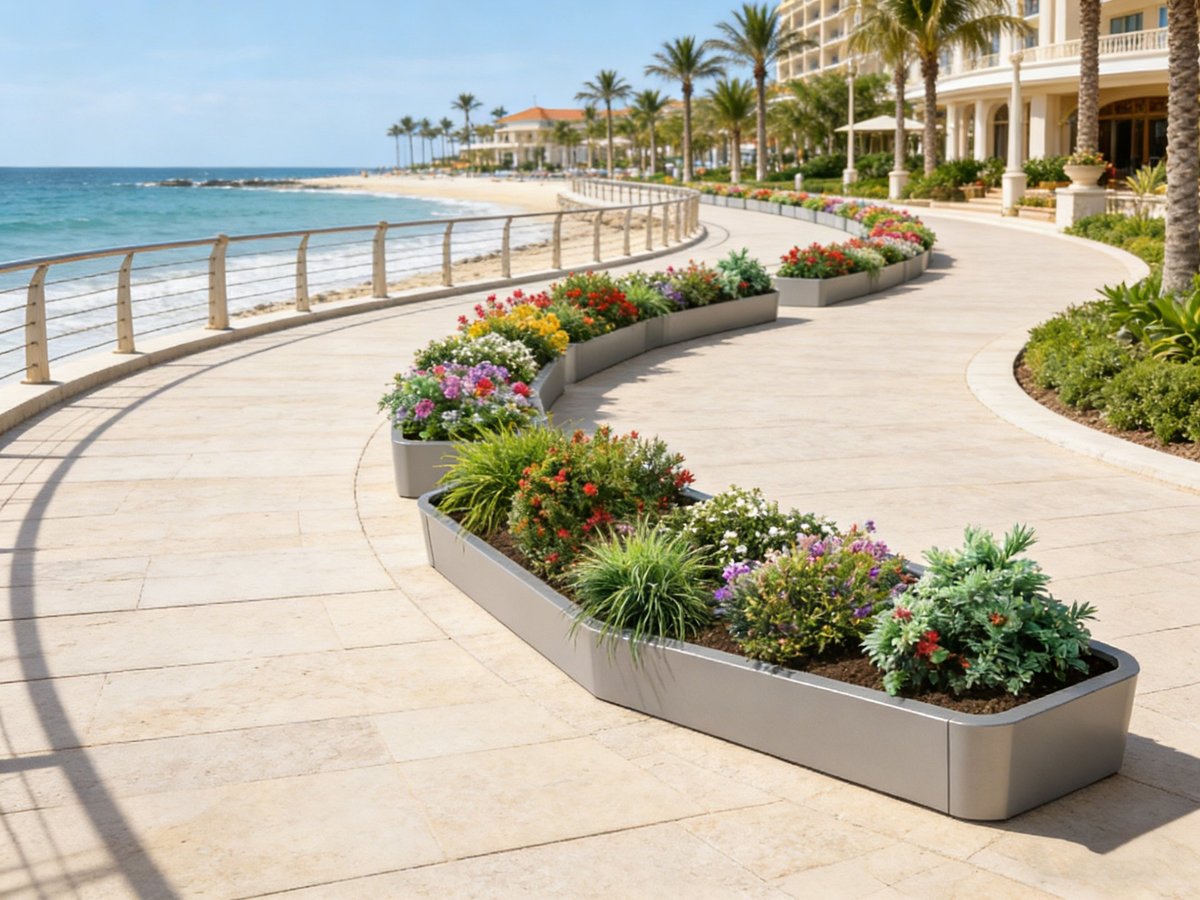
Seaside promenades, beachfront parks and harbourfront districts put more mechanical stress on public furniture than almost any other environment — and they do it invisibly. A bench in a coastal city can look perfect in spring and show rust streaks, pitting and seized fixings by autumn. The difference is rarely bad luck: it is whether the asset was maintained against salt air from day one. This guide sets out how municipal maintenance teams, landscape contractors and property managers should plan coastal outdoor furniture maintenance, from cleaning frequencies to rust prevention and seasonal inspections.
Why Salt Air Is the Harshest Environment for Site Furniture
Salt does not need liquid seawater to do damage. Airborne salt particles settle on every horizontal surface within reach of the wind, dissolve in morning dew and light rain, and form a thin, clinging brine film. When that film dries, the salt concentration rises until it attacks whatever is underneath — then the cycle repeats the next morning. Furniture a few hundred metres from breaking surf can go through hundreds of these wet-dry cycles in a single season.
Three consequences follow for anyone managing a seaside site:
- Corrosion concentrates in hidden places. Crevices between slats and frames, the underside of bench rails, weld seams and the gap behind mounting plates hold moisture far longer than visible surfaces, so damage starts where inspections rarely look.
- Wear compounds. A seized fixing is not just a cosmetic fault; it makes slat replacement, bin liner changes and bollard removal expensive, turning a 20-minute service visit into an hour of cutting and drilling.
- Neglect voids warranties. Most site furniture warranties assume reasonable cleaning. Salt deposits left on surfaces for months count as neglect almost everywhere, which is why the maintenance plan below is also a warranty-protection plan.
How Salt Attacks Each Material Differently
Not all materials fail the same way at the shoreline, so a maintenance plan has to match the failure mode. Choosing the right alloy in the first place matters even more — our guide to stainless steel grades for outdoor furniture covers how 304 and 316 differ for chloride environments — but even correctly specified furniture needs a care routine.
| Material | Typical salt-air failure mode | Primary protection strategy | Maintenance focus |
|---|---|---|---|
| Powder-coated carbon steel | Coating blistering, rust bleeding at edges and fixings | High-quality coating + galvanised substrate; touch up chips quickly | Rinse salt film; inspect edges and drill holes |
| Hot-dip galvanised steel | Slow zinc consumption; white rust in trapped moisture | Zinc layer thickness per standard | Wash deposits; check drainage holes |
| Stainless steel (304) | Tea-staining and pitting near the surf | Specify 316 in high-exposure zones | Frequent freshwater washing; avoid chloride cleaners |
| Stainless steel (316) | Tea-staining only after long neglect | Molybdenum-alloyed passive film | Periodic rinse; passivate welds after repairs |
| FSC hardwood slats | Grey weathering; swelling in crevices | Sealing oil; drainage-friendly profiles | Re-oil seasonally; keep fixings sealed |
| Aluminium | Generally resistant; galvanic corrosion at steel contacts | Isolated fasteners, compatible hardware | Inspect bimetallic joints |
The table makes one point obvious: no material is maintenance-free by the sea. 316 stainless is the most forgiving, but even it relies on the passive film being rinsed clean. For coated carbon steel, the galvanising layer and coating quality are covered in depth in our hot-dip galvanizing guide — the maintenance task is simply to protect those layers and repair damage before salt reaches bare steel.
Cleaning Schedules by Exposure Zone
Distance from the shoreline — combined with prevailing wind — decides how often furniture needs attention. Rather than one rule for a whole city, split assets into zones:
| Zone | Typical location | Freshwater rinse | Full wash with mild detergent | Inspection |
|---|---|---|---|---|
| Zone 1: Beachfront | Promenades, boardwalks, marina edges | 1–2× per week | Monthly | Quarterly |
| Zone 2: Nearshore | Parks and streets within ~1 km of open water | Fortnightly | Every 2–3 months | Quarterly |
| Zone 3: Coastal city | Urban sites 1–10 km from the coast, windward | Monthly | Quarterly | Semi-annual |
| Zone 4: Sheltered inland | Sites >10–15 km inland | Quarterly or rainfall-sufficient | Semi-annual | Annual |
Practical rules that keep these schedules affordable:
- Rinse before you scrub. A low-pressure freshwater rinse removes the bulk of salt crust; scrubbing a dry, salty surface grinds crystals into coatings and brushed finishes.
- Use pH-neutral detergent only. Chloride-based or acidic cleaners defeat the purpose — they add chlorides to the very surface you are cleaning. Follow with a clean-water rinse.
- Never use abrasive pads on stainless. Steel wool or grinding discs leave free iron particles that rust on contact and trigger staining far from any weld.
- Open the hidden gaps. Lift bin liners, brush out the underside of bench rails, and flush slat gaps with the rinse water — these are exactly the crevices where brine collects.
- Clean before the dry season ends. In Mediterranean and similar climates, salt that survives the summer dry period gets sealed onto surfaces until autumn rains; a pre-season wash is the highest-value hour of the year.
Rust Prevention and Early Intervention
Even a disciplined schedule will occasionally find the first signs of salt damage. The economics strongly favour early action: re-coating a scratched bench foot costs minutes, replacing a rusted-through bin body costs a full unit price plus labour plus downtime of a public asset.
- Touch up coating damage within days. Clean the spot, feather the edge, apply a zinc-rich primer on steel, then a matching topcoat. Keep a small repair kit per site rather than waiting for a contractor visit.
- Treat tea-staining properly. On stainless, use a dedicated stainless cleaner or a citric-acid passivation product, work with the grain of the brushed finish, and finish with a freshwater rinse. Recurring staining is a signal the grade is too low for the zone, not that the cleaner is weak.
- Lubricate and free fixings annually. Marine-grade grease on accessible threads, and replacing any seized fastener with A4/316 hardware, keeps future maintenance cheap. Mismatched ordinary fixings are the single most common rust-streak source on otherwise correct furniture.
- Check drainage and ground contact. Furniture mounted where water pools, or with feet buried in sand and soil, corrodes many times faster than the same product on a drained surface. Re-levelling and clearing weep holes are zero-cost fixes.
A Seasonal Inspection Checklist
Fold these checks into existing park-inspection rounds so no extra site visits are needed:
- Photograph every asset from the same two angles to create a comparable visual record.
- Look for rust streaks below fixings, welds, and coating chips on edges.
- Wobble-test benches, bins and bollards; note any movement caused by corroded or loose anchors.
- Open and close any moving or removable part (bin lids, liners, locks) and grease as needed.
- Flush slat gaps and crevices during the quarterly wash, not just the visible top surfaces.
- Log findings against the zone schedule above, and escalate any Zone 1 item that shows corrosion two quarters in a row.
This record does double duty: it proves warranty-compliant care, and it tells you when a zone's specification — not its maintenance — is the real problem.
Sourcing Furniture That Survives the Shoreline
Maintenance keeps good furniture alive, but specification decides how hard the maintenance has to work. For tenders in marine zones, require the material grade in writing for frames and fasteners, passivated stainless welds, zinc-coated substrates under powder coating, and a documented cleaning guide matched to coastal exposure.
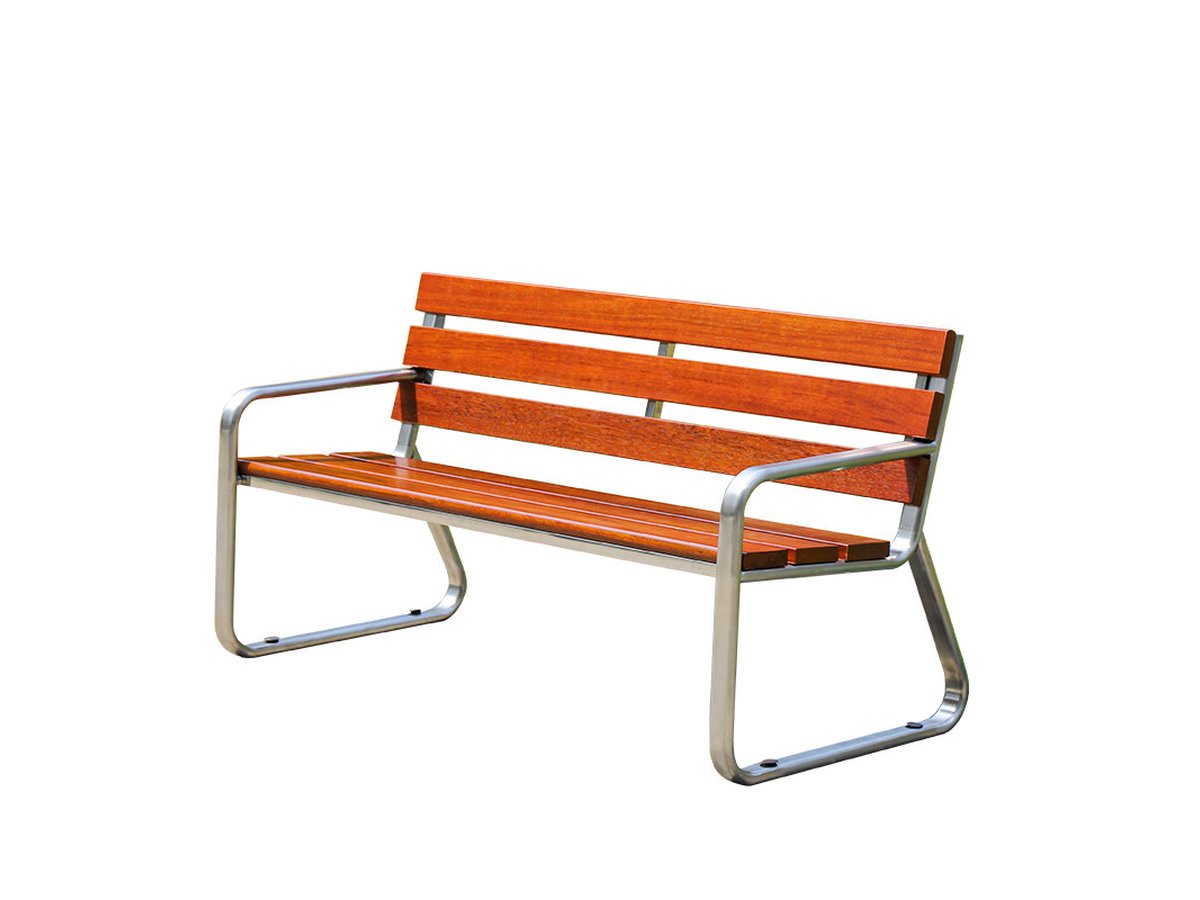
AOTUDE manufactures salt-air-ready site furniture — including the Coastline Modular Planter used on beachfront projects and the Stainless Frame Park Bench — at our 20,000 m² factory in Foshan, China, shipping factory-direct to municipal and commercial buyers worldwide. We supply 304 or 316 stainless, hot-dip galvanised substrates and FSC hardwood slats to match your exposure zone, support OEM/ODM customisation from your drawings with a minimum order of just 50 pieces, and back every product with a 5–10 year warranty. Tell us your distance from the shoreline and we will help you match materials and finish to it — browse the range at https://aotude.com or request a factory quotation for your next coastal project.