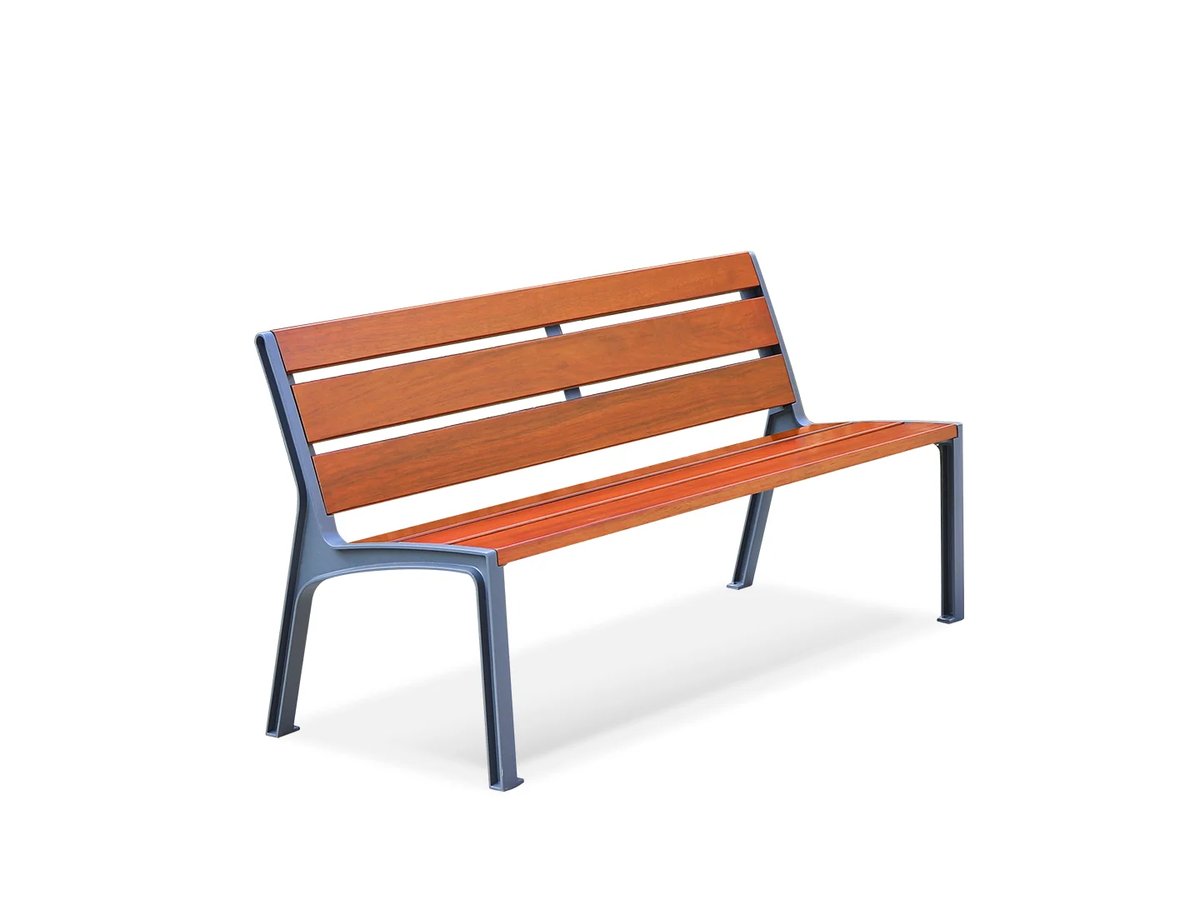
Bird Dropping Removal for Street Furniture: Methods and Prevention
2026-11-10 · 8 min read · By AOTUDE Furniture Team
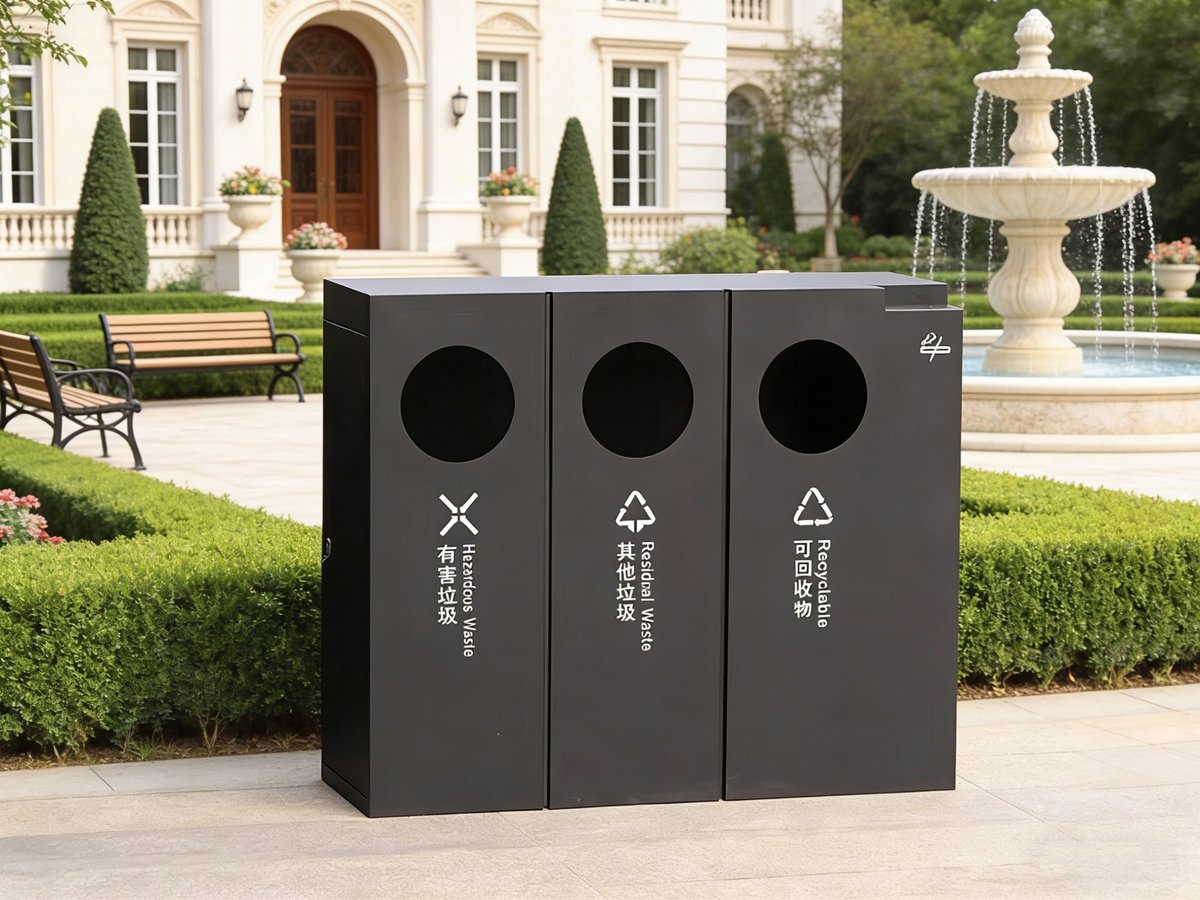
Every park bench under a tree, every litter bin beside a plaza planter and every bollard near a waterfront shares one maintenance problem that tender documents rarely mention: birds. Pigeons, gulls and starlings perch on the highest flat surface available, and what they leave behind is more than a cosmetic nuisance. Fresh droppings are acidic enough to etch a polyester powder coating within weeks, and dried accumulations on bin lids and seat slats turn routine cleaning into a restoration job. For municipal grounds teams and landscape contractors, bird dropping removal from street furniture needs to be a repeatable, low-damage procedure — not an improvised scrub with whatever abrasive happens to be in the van. This guide sets out why the damage happens, which cleaning method matches which surface, a step-by-step field procedure, and the prevention measures that reduce how often the procedure is needed at all.
Why Bird Droppings Damage Coatings and Timber
The chemistry is simple but unforgiving. Bird excreta contains uric acid, which produces an acidic solution on contact with moisture; measured pH on fresh deposits typically falls between 3 and 4.5. A cured polyester or epoxy-polyester powder coat is chemically resistant to most outdoor exposure, but a sustained acidic film — especially one re-wetted by dew every morning — gradually dulls the gloss and creates shallow etching marks that no amount of later washing will polish out. On darker RAL shades the etching reads as pale ghost patches; on gloss finishes it reads as a permanent change in reflectance.
Three factors decide how bad a single deposit gets:
- Contact time. A dropping rinsed off within a day usually leaves nothing. The same deposit left for two or three weeks of dew cycles can etch coating or stain timber end grain permanently.
- Re-wetting cycles. Dew, rain and irrigation spray repeatedly dissolve and re-deposit the acidic residue over a wider area than the original splash, which is why damage often extends well beyond the visible stain.
- Heat. On a dark steel bin lid in summer sun, the surface temperature accelerates the chemical attack significantly. South-facing seats and dark-coloured tops are reliably the worst-hit assets in any inventory.
Timber suffers differently. Acid attacks wood fibres at the surface and drives dark staining into end grain and around fasteners, which is why slat maintenance and dropping removal are treated as linked routines rather than separate jobs.
Matching the Method to the Surface
Before any scrubbing starts, identify what you are actually cleaning. The same deposit demands different chemistry on powder-coated steel, stainless steel, hardwood slats and concrete-composite tops — and using the wrong one causes more loss than the soiling itself.
| Surface | Recommended approach | What to avoid | Notes |
|---|---|---|---|
| Polyester powder-coated steel | Soften with warm water, lift with pH-neutral detergent and microfibre | Abrasive pads, alkaline degreasers, high-pressure jet at close range | Rinse promptly; etching below the gloss is coating loss, not dirt |
| Stainless steel (304/316) | Warm water and neutral detergent, wipe with the grain; passivate-looking areas can be re-brightened | Chloride-based cleaners, steel wool | Droppings trapped at crevices are a corrosion initiation point — check after cleaning |
| Hardwood slats | Soften, lift with mild soap and soft bristle brush along the grain | Wire brushes, strong detergents that strip the oil layer | Re-oil the treated area if the deposit sat for weeks and the surface looks dry |
| Recycled plastic lumber / WPC | Warm water, neutral detergent, nylon brush | Solvent cleaners | Most forgiving surface in the inventory |
| Concrete and GFRC planter tops | Soak, scrape mechanically, then wash | Acidic brick cleaners | Acid attacks both cement matrix and any sealant lines |
The general rule: soften first, lift second, scrub last. Almost every avoidable damage case in the field starts with someone attacking a dried deposit dry.
Field Procedure: Safe Removal Step by Step
For a dried deposit on a powder-coated bench rail or bin lid, the following sequence removes the soiling while keeping the coating intact:
- Soak. Lay a wet cloth or sponge over the deposit for 5–10 minutes. Warm water accelerates softening; on hot days, work early morning before surfaces heat up.
- Lift, don't scrape. Once softened, wipe with a folded microfibre cloth. If residue remains, apply a pH-neutral detergent diluted per label and let it dwell for a few minutes before wiping again.
- Rinse the whole panel. Rinse beyond the stain area with clean water so dissolved acid does not simply migrate to an adjacent spot and dry there.
- Inspect. Under raking light, check whether the area shows gloss loss or etching. If the coating is visibly dulled, treat it as coating damage, not soiling — see the touch-up section below.
- Dry and record. Wipe the surface dry, and log the asset and location. Clusters of repeated deposits usually mean a roost or regular perch overhead, which changes your response from cleaning to prevention.
For heavy accumulations — the kind found under a bridge roost or on shelter beams that have not been cleaned for a season — the volume itself changes the risk profile. Dried pigeon guano generates airborne dust when disturbed, and large accumulations should be removed with dust-suppression methods and appropriate PPE, following local occupational-health guidance rather than a standard street-cleaning routine. Where a deeper periodic wash is part of the plan, the pressure ranges and nozzle technique in our guide to pressure washing outdoor furniture apply — the key constraint being that droppings must be softened and lifted first, never blasted dry.
Biogenic Soiling Beyond Droppings
Bird droppings are the headline, but grounds teams deal with a family of biogenic soiling that behaves differently and needs different handling:
- Algae and moss hold moisture against coatings and timber, accelerating the exact moisture-ingress failure mode that shortens asset life. Treat with a mild biocide or diluted household bleach per label, rinse thoroughly, and keep it off adjacent timber.
- Tree sap and nectar residue are sticky rather than acidic; isopropyl alcohol on a cloth lifts them from coated metal, but test a small area first on timber finishes.
- Lichen bonds tenaciously to stone, concrete and coarse coatings. Mechanical lifting with a plastic scraper followed by a wash is the only realistic route; accept that some shallow discolouration on unsealed concrete is permanent.
- Feather and nesting debris in bins and shelter corners block drainage and hold damp. Include them in the same inspection pass.
The unifying principle is that all of these hold moisture against the surface. A cleaning schedule that only targets visible stains misses the point: the schedule is really a moisture-management routine.
Prevention: Reducing How Often You Clean
Removal is a cost you pay per incident; prevention is a cost you pay once. Four measures reliably cut the frequency of bird-related cleaning in public spaces:
- Design out the perch. Birds prefer open flat tops and high points. Anti-perch geometries on bin lids and shelter beams, sloped caps, and selecting seating layouts away from roost lines reduce deposits at the source.
- Choose the right finish. Matte and textured powder coatings hide minor etching far better than gloss, and light colours show etching less than dark ones. Where an asset sits directly under a pigeon roost, specify the coating with that exposure in mind at purchase.
- Physical deterrents at the structure, not the furniture. Spikes or netting on the building or beam above the seating area move the problem off the furniture. Deterrents fixed to the furniture itself rarely survive contact with the public.
- Scheduled rinse cycles. A quarterly soft-wash of high-exposure assets keeps deposits below the etching threshold. The asset inventory makes this practical: flag benches and bins under trees and beside water as "high bird exposure" and give them a shorter rinse interval than plaza furniture in the open.
When Cleaning Is Not Enough: Recoating and Repair
Inspection after each removal should answer one question: did the deposit damage the film? Gloss dulling, pale ghost marks or visible etching mean coating loss, and left alone the steel underneath will eventually rust at those points. Small etched areas are repairable in the field with the same colour-matched repair system used for chips and scratches — the procedure, materials and recoat timing are set out in our guide to powder coating touch-up and repair. Where a whole panel shows widespread etching, factory recoating during an off-season refurbishment is usually cheaper than letting corrosion force early replacement.
Hardwood slats follow a parallel logic: if a deposit stained the end grain or dried out the surface, restore the oil film promptly using the routines in our hardwood slat maintenance guide, and replace individual slats rather than whole benches when staining has gone structural.
Working with a Manufacturer on Maintenance-Friendly Specifications
Most of the cost of bird-dropping damage is decided before delivery. Coating type, colour, slat species and fixings determine whether a deposit is a two-minute wipe or a recoat. AOTUDE manufactures commercial outdoor furniture — park benches, litter bins, planters and matching site furnishings — at a 20,000 m² factory in Foshan, China, selling factory-direct with OEM/ODM support for municipal and landscape-specification projects. We specify corrosion-protected steel frames and maintenance-friendly powder coatings as standard — the kind used on models like the Metro steel bench — support per-model MOQs from 5 pcs (most models at 20 pcs, custom runs from 50 pcs), and back products with 5–10 year warranties. If your maintenance team keeps fighting the same stains every season, it is worth reviewing the finish specification with the manufacturer — browse the range at https://aotude.com or ask us for coating recommendations matched to your site's bird exposure before your next tender. A bench specified for the exposure it actually faces costs less to clean, and less to keep looking new, than the cheapest bench plus a decade of remedial work.