Hardwood Slat Maintenance for Park Benches: Oiling, Cleaning and Repair Schedules
2026-10-03 · 7 min read · By AOTUDE Furniture Team
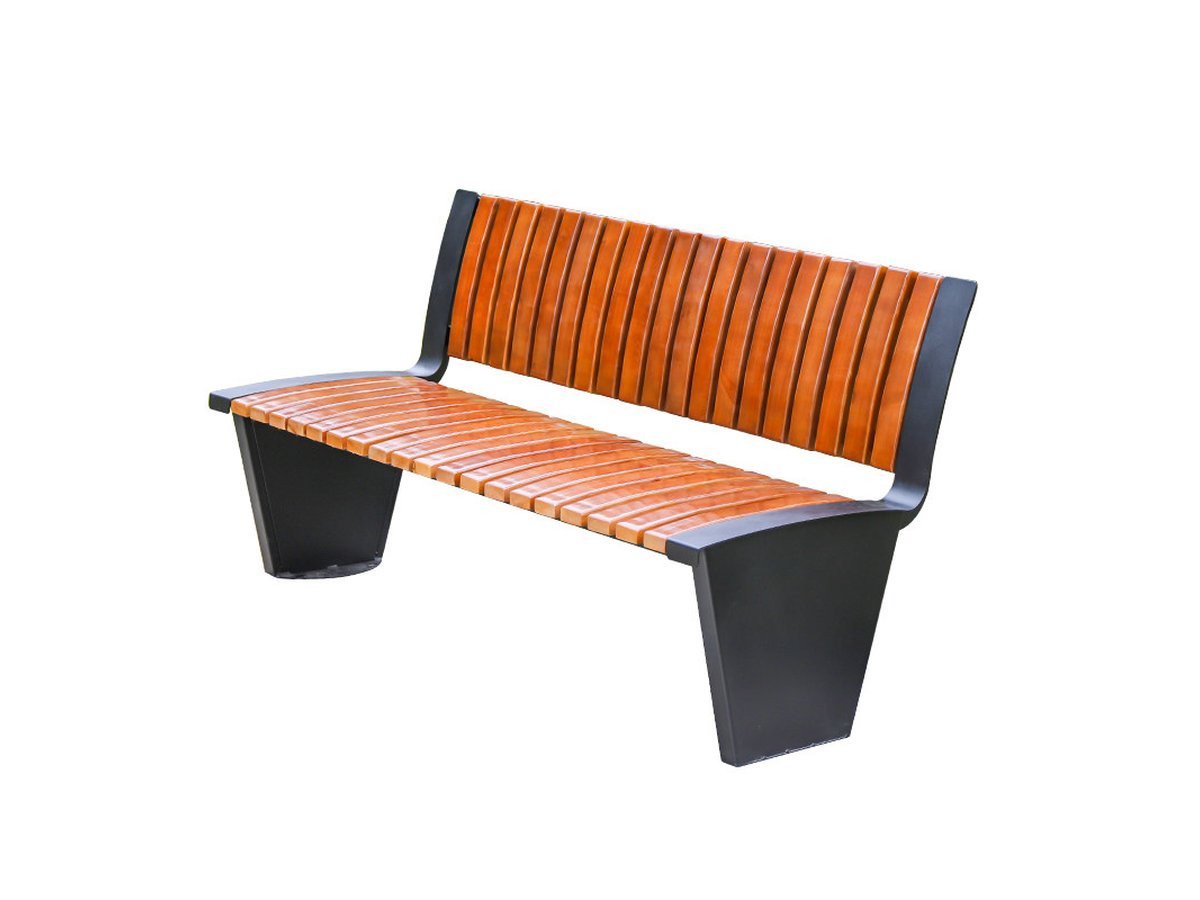
Hardwood slats give public benches a warmth that no metal or plastic surface can match, which is why they remain the default choice for parks, plazas and campus landscapes. But wood is also the only bench material that is alive in the specification sense: it moves, checks, fades and feeds, and it rewards a planned routine with a service life of fifteen years or more. The good news is that hardwood park bench maintenance is neither expensive nor complicated — it is a schedule problem, not a craftsmanship problem. This guide sets out how weathering actually damages hardwood bench slats, how often to clean and re-oil in different climates, how to repair the three most common defects, and which specification decisions cut lifetime maintenance cost before the first bench is even installed.
Why Hardwood Slats Weather — and What Actually Damages Them
Dense tropical hardwoods used in site furniture (bankirai, ipe, keruing and similar species) are naturally resistant to rot and insects. What degrades them outdoors is not biological attack but three physical processes:
- UV photodegradation. Sunlight breaks down lignin at the surface, turning the honey-brown colour silver-grey within 6–18 months. This layer is only fractions of a millimetre deep, but once the greyed fibres loosen, moisture and dirt hold against the surface and accelerate everything else.
- Moisture cycling. Rain followed by sun makes slats swell and shrink daily. Over seasons this opens surface checks (small cracks along the grain) and around stainless fasteners. Vertical-grain and correctly dried slats move far less than cheap, under-dried stock.
- Abrasion and contamination. Foot traffic, grit, de-icing salt, bird droppings and food spills grind the surface and stain the end grain where water enters fastest.
Note what is not on this list: the oil itself. Oil does not waterproof wood or glue cracked slats back together — it darkens the colour, feeds the surface fibres and slows water uptake at the face of the board. That is why oiling is a cosmetic-and-protective maintenance task, while drainage, fastener choice and slat thickness do the structural work.
The Oiling Schedule, by Climate
How often to re-oil depends less on the product than on the site. Use the table below as a planning baseline for municipal maintenance budgets; adjust after the first year of inspection.
| Climate / site condition | Cleaning frequency | Re-oiling frequency | Expected interval between refinishing works |
|---|---|---|---|
| Temperate inland, moderate sun | 2× per year (spring, autumn) | Every 12–18 months | 3–5 years |
| Hot-humid subtropical (fungus, heavy rain) | Quarterly wash-down | Every 9–12 months | 2–3 years |
| Coastal, salt spray within 1 km of shore | Monthly rinse in salt season | Every 6–9 months | 1–2 years |
| Arid / high-UV inland (fading dominates) | 1–2× per year | Every 12 months | 3–4 years |
| Covered or shaded installations | 1× per year | Every 18–24 months | 5+ years |
Two practical notes on the schedule. First, treat the first re-oiling as a calibration: inspect at 12 months, and if the oil has held colour well, stretch the next interval; if slats are already grey and checking, shorten it. Second, budget in "refinishing campaigns" — crews working through a park in one pass — rather than bench-by-bench spot jobs, which cost more per unit in mobilisation time.
How to Oil Bench Slats Properly
A poor oiling job costs the same as a good one, so the method matters:
- Clean first, always. Sweep, then wash with water and a mild alkaline cleaner or dedicated wood cleaner. Oiling over dirt seals the contamination in and causes dark blotches.
- Let the wood dry. Moisture content should be below roughly 18% before oiling — typically 2–3 dry days after washing. Oil trapped over wet wood milks out white and fails early.
- Light sand if greyed. Where UV silvering has started, a quick 80–120 grit pass revives the colour and opens the grain for oil uptake. This is the step most crews skip, and the reason many "re-oiled" benches look unchanged.
- Apply thin, wipe off excess. Use a penetrating exterior hardwood oil (teak or bankirai formulations), applied thinly by brush or cloth, and wipe off everything that has not absorbed after 15–20 minutes. Thick films stay tacky, attract grit and peel.
- Protect the end grain. End grain drinks water several times faster than face grain. Give cut ends, holes and screw recesses a second coat.
- Dry before service. Keep benches out of use for 24–48 hours; foot traffic on wet oil leaves permanent marks.
For a full annual routine that puts oiling in context alongside coating checks and fastener inspection, our outdoor furniture maintenance checklist covers the whole bench, not just the timber.
Repairing the Three Most Common Defects
Between oiling cycles, inspections will surface three typical defects. None of them requires replacing the bench:
- Surface checks and small cracks. Clean out debris, let dry, and fill with a flexible exterior wood filler tinted to the slat colour, then sand flush and re-oil the area. Rigid fillers crack again with the next moisture cycle — always specify flexible ones.
- Splinters and raised grain on seat surfaces. Park benches fail in public opinion through hands and thighs, not structure. Sand the seat slats with 80 then 120 grit, breaking all edges, and oil immediately. On heavily used seats, plan this as a yearly touch-up rather than waiting for complaints.
- Loose or warped slats. A single cupped or split slat should be replaced from the maintenance stock you ordered with the benches — which is exactly why a 2–3% spare-slat allowance belongs in the original purchase order. If many slats on one bench are moving, the frame drainage or fastener specification, not the wood, is usually the root cause.
Specification Decisions That Cut Lifetime Maintenance
The cheapest maintenance is the kind you design out at purchase. When comparing quotations for timber-slat seating, check:
- Slat moisture content and profile. Kiln-dried hardwood at 12–16% MC, with profiles that shed water (rounded tops, grooved undersides), stays flat for years.
- Fastener material. Stainless A2/A4 fixings only. Galvanised screws bleed black rings into hardwood within two winters.
- Drainage detailing. Slats should never sit in a channel that holds water; frame design should let the timber dry on all sides.
- Spare parts package. Slats and fixings delivered with the order turn a future repair into a one-visit job.
- Finish options. Pre-oiled delivery (rather than raw wood on site) saves the first full refinishing campaign — and factory application is far more even than site work.
If your climate or maintenance budget cannot support an oiling programme at all, that is a valid procurement finding: wood-plastic composite slats trade the natural look for near-zero upkeep, and our WPC vs hardwood slats comparison sets out the trade-offs in cost and durability. For projects that keep timber, browse the outdoor seating range to see how different frame designs expose or protect the slats — for example the Fairway Park Bench, delivered pre-oiled with contoured hardwood slats that drain and dry quickly.
Hardwood Slat Support from AOTUDE
AOTUDE manufactures hardwood-slat benches, litter bins and site furniture at our 20,000 m² factory in Foshan, China, with kiln-dried slats, stainless fixings, pre-oiled finishes and a spare-slat package included on request. As a factory-direct supplier we support OEM/ODM customisation — slat species, profile, oil colour and frame finish — with MOQ from 50 pcs and a 5–10 year warranty on structural frames. Whether you need maintenance stock for an existing installation or a new seating line engineered for low-lifecycle-cost timber care, contact our team at https://aotude.com for samples, oiling specifications and a quotation.