Steel vs Aluminium Outdoor Furniture Frames: How to Choose
2026-10-30 · 6 min read · By AOTUDE Furniture Team
Every park bench, litter bin and picnic table specification sooner or later hits the same fork in the road: steel or aluminium? Both metals dominate commercial outdoor furniture, both can deliver a fifteen-year service life, and both are routinely quoted by suppliers who insist their choice is the only sensible one. The reality is more nuanced. The right answer depends on the product type, the installation environment, the anchoring method and — more often than buyers expect — how the frame will be coated and maintained. This guide compares steel and aluminium outdoor furniture frames across the six factors that actually decide performance in public space: strength, weight, corrosion behaviour, coating systems, cost and repairability.
Strength and Stiffness: Where Steel Still Wins
Structurally, the two metals are not close competitors. Mild steel is roughly three times stiffer than the common structural aluminium alloys (about 200 GPa versus 69 GPa elastic modulus) and offers higher absolute strength in comparable sections. In practice this means:
- Long spans. A 1.8 m bench with slim 40 mm legs is easier to engineer in steel; the same silhouette in aluminium needs thicker walls or larger sections to avoid flex at the armrests.
- Impact and vandalism resistance. Bollards, bin bodies and ground-fixed frames that take vehicle contact or deliberate abuse hold up better in steel, which deforms locally instead of cracking.
- Welded joints. Both metals weld well, but steel welds can be ground and dressed invisibly, keeping decorative weld seams tidy on architectural products.
Aluminium's counterargument is that its strength-to-weight ratio is excellent: a well-designed aluminium frame can match a steel frame's service load while weighing 35–45% less. That matters less for a bolted-down park bench than it does for products that get moved, handled or shipped in volume.
Weight: The Logistics Factor Specifiers Underestimate
Weight differences ripple through the whole project lifecycle, not just the freight invoice:
| Factor | Steel frame | Aluminium frame |
|---|---|---|
| Typical 1.8 m bench frame weight | 25–40 kg | 12–22 kg |
| Container loading | Fewer units per container; higher freight per unit | More units per container; lower freight per unit |
| On-site handling | Two-person lift for most benches; often no anchoring needed | One-person handling common; lighter frames need stronger anchoring |
| Theft / relocation risk | Heavy frames resist casual removal | Light frames can be carried off if fixings are accessible |
That last row is the trade-off buyers rarely budget for. A lightweight aluminium bench installed in an open plaza may need through-bolted or chemical-anchor fixings that a 35 kg steel frame never requires — and the anchoring hardware can cost more than the weight saving.
Corrosion Behaviour: Two Very Different Failure Modes
This is where material selection gets technical, and where the installation environment should make the decision.
Steel corrodes by oxidation from the surface inward. Left bare, it rusts visibly and progressively — but it protects extremely well when coated. Hot-dip galvanizing gives steel a sacrificial zinc layer that outlasts almost any paint system, which is why galvanized-plus-powder-coated steel remains the default specification for municipal street furniture in most climates. If you are weighing coating systems, our guide to hot-dip galvanizing for outdoor furniture covers coating thickness standards and expected service life in detail.
Aluminium corrodes by forming its own protection. Exposed to air, aluminium instantly builds a thin oxide film that self-seals minor scratches. It does not rust, it is largely immune to atmospheric pollution, and it performs very well in coastal salt-spray zones where bare or lightly coated steel struggles. The caveats: aluminium is sensitive to galvanic corrosion when in direct contact with steel or stainless fixings in wet conditions (isolate with nylon washers or compatible hardware), and strong chloride-rich pool environments or de-icing salt ponds can pit it over time.
A simplified decision matrix:
| Environment | Recommended frame material | Why |
|---|---|---|
| Inland urban, general public space | Either; galvanized steel is the cost default | Both perform; steel wins on price and impact resistance |
| Coastal / salt-air promenades | Aluminium, or heavily galvanized steel | Aluminium self-protects; steel needs verified zinc thickness |
| Chloride / poolside / marina | Aluminium (isolated fixings) | Avoids rust staining and progressive coating failure |
| Vandalism-prone transit hubs | Steel, 2.0 mm+ walls | Higher stiffness and dent tolerance |
Coating Systems: Powder Coating on Both, Galvanizing Only on Steel
Both metals accept polyester powder coating to any RAL colour, so aesthetics rarely decide the choice. The differences sit underneath the paint:
- Steel can be hot-dip galvanized before coating (a duplex system), giving two independent corrosion barriers and the longest service life per dollar in most climates.
- Aluminium is usually pre-treated (chromate-free conversion coatings) then powder coated directly; the coating is largely decorative because the metal self-protects.
- Scratch response differs. A deep scratch on coated steel that reaches bare metal will creep-rust under the paint edge; the same scratch on aluminium usually stops at the oxide line. This makes aluminium more forgiving in low-maintenance sites.
For buyers comparing specific alloy options on the aluminium side — 6061 versus 6063 extrusions, cast versus fabricated parts — our article on aluminium grades for outdoor furniture explains which alloys suit which product families.
Cost and Lifecycle: Compare Installed Cost, Not Ex-Works Price
Per kilogram, steel is dramatically cheaper than aluminium, and that shows up in ex-works quotations: a steel-frame bench typically lands 15–30% below an equivalent aluminium model. But the honest comparison is installed lifecycle cost:
- Freight. Aluminium's weight advantage recovers part of the price gap on long shipping routes, especially for containerized exports.
- Anchoring. Light frames may need heavier fixing systems, as noted above.
- Maintenance. In coastal or low-maintenance sites, aluminium's scratch tolerance can reduce repaint and touch-up cycles.
- End of life. Both metals are fully recyclable; aluminium scrap currently commands a higher recycling value.
For a ten-year municipal budget, a galvanized steel frame inland is almost always the lowest total cost. Coastal projects flip the calculation more often than buyers expect.
Repairability and Field Maintenance
Steel frames are easier to repair in the field: dents can be filled and recoated, welds re-dressed, and replacement parts fabricated from standard sections by any metal workshop. Aluminium is harder to weld correctly outside a controlled environment (it needs AC TIG equipment and clean material), so repairs usually mean replacing whole components — which argues for specifying modular, bolt-together frames whichever metal you choose.
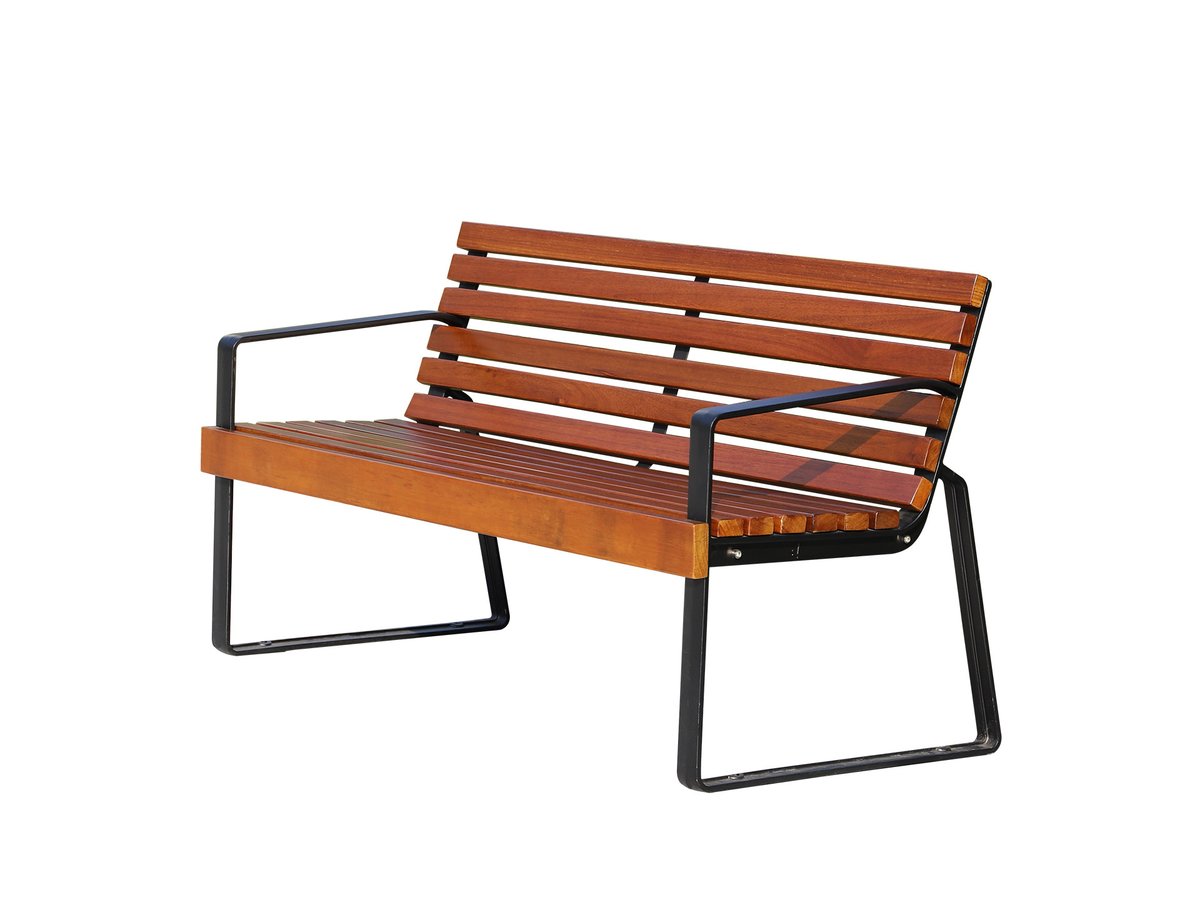
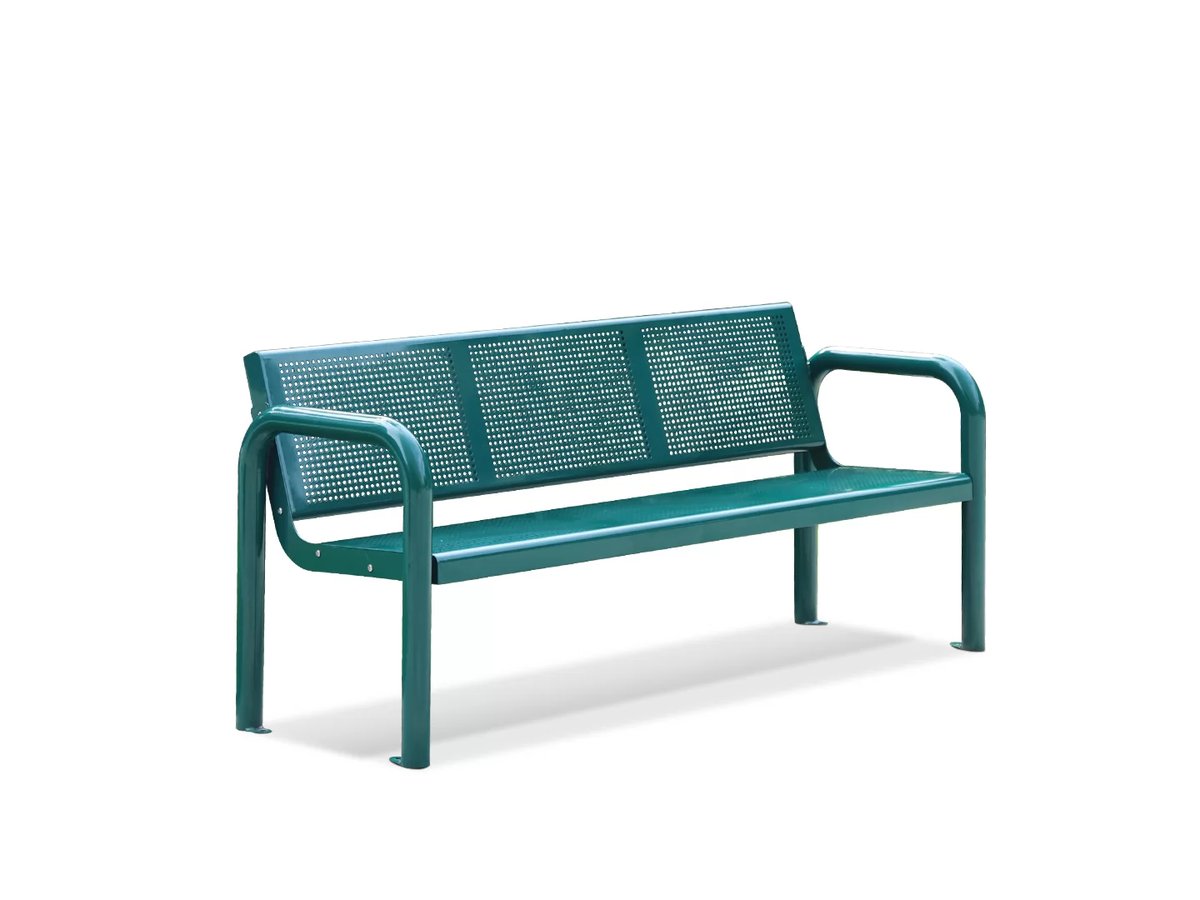
Our overview of park bench frame options shows how different seat products pair frame materials with slat systems, and the Metro Steel Bench is a good example of a galvanized steel frame specified for high-traffic public seating.
How AOTUDE Builds Both
AOTUDE manufactures commercial outdoor furniture in both materials at its 20,000 m² factory in Foshan, China, and sells factory-direct to municipalities, landscape architects and contractors worldwide. Standard models are available with per-model MOQ from 5 pcs (most models at 20 pcs, custom runs from 50 pcs), and the engineering team supports OEM and ODM frame development — including material substitutions when a tender requires steel where a catalogue model shows aluminium, or the reverse. Every frame carries a 5–10 year structural warranty depending on model and finish. Browse the full range at https://aotude.com or request a quotation with your project's environment details, and we will recommend the metal — and the coating system — that fits the site rather than the sales target.