
Flood-Resilient Street Furniture: A Specifier's Guide
How to specify street furniture for flood-prone public spaces: flood-tolerant materials, fixings and anchoring, buoyancy risks and post-flood recovery plans.
Read article →Where urban furniture is heading: circular materials, smart features, biophilic design and how city procurement is changing.
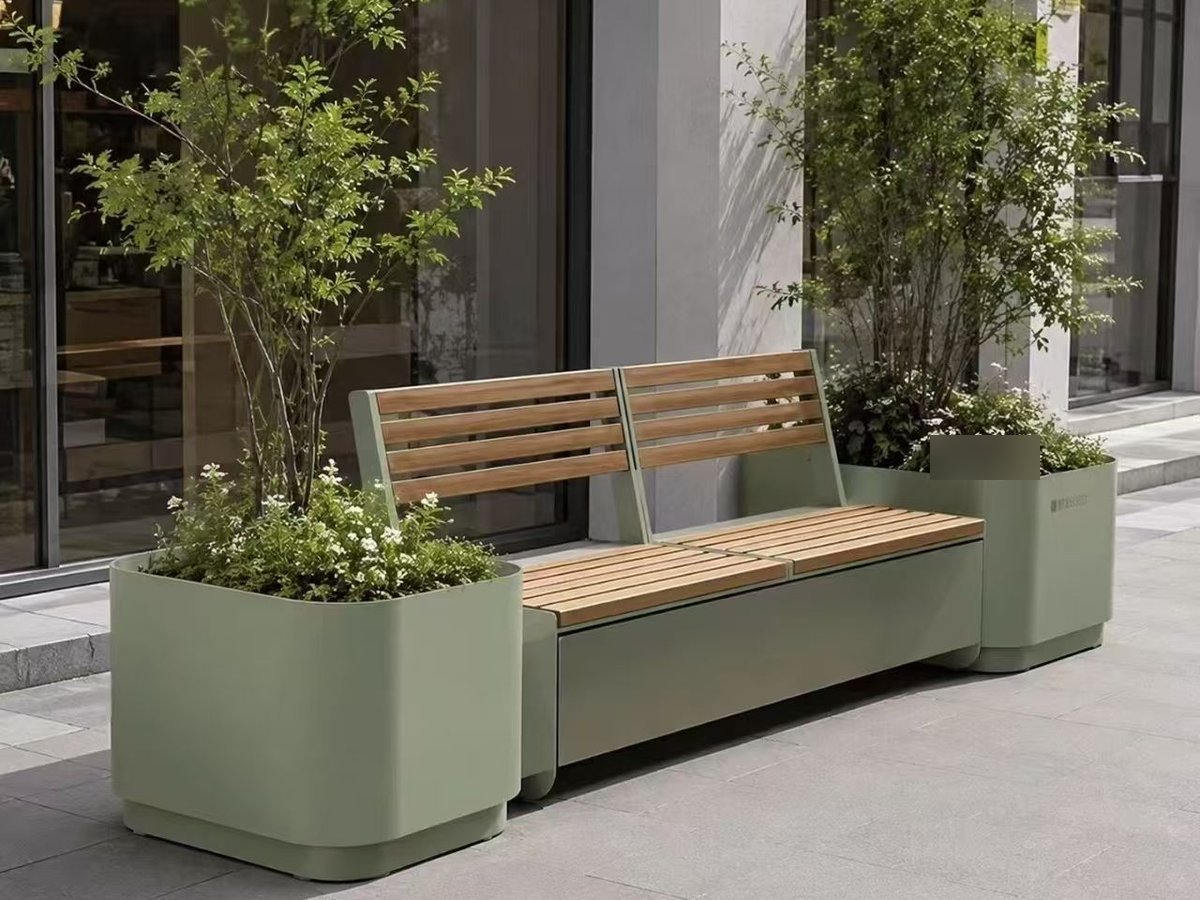
How to specify street furniture for flood-prone public spaces: flood-tolerant materials, fixings and anchoring, buoyancy risks and post-flood recovery plans.
Read article →
A specifier's guide to biophilic street furniture: planting volumes, seat-planting integration, tactile materials and maintenance, with a checklist for cities.
Read article →
Connected benches and bins collect more data than most tenders admit. Here is how cities should govern privacy, security, ownership and exit terms for smart street furniture.
Read article →
How to specify street furniture for hot climates: surface temperatures, perforated seating, light powder coatings, shade placement and planting strategies.
Read article →
How cities can specify age-friendly public seating: rest-point spacing along walking routes, seat ergonomics for older adults, armrests, materials and a tender checklist.
Read article →
A specification guide to design for disassembly in street furniture: bolted vs welded joints, material segregation, recyclable finishes and end-of-life clauses for circular procurement.
Read article →
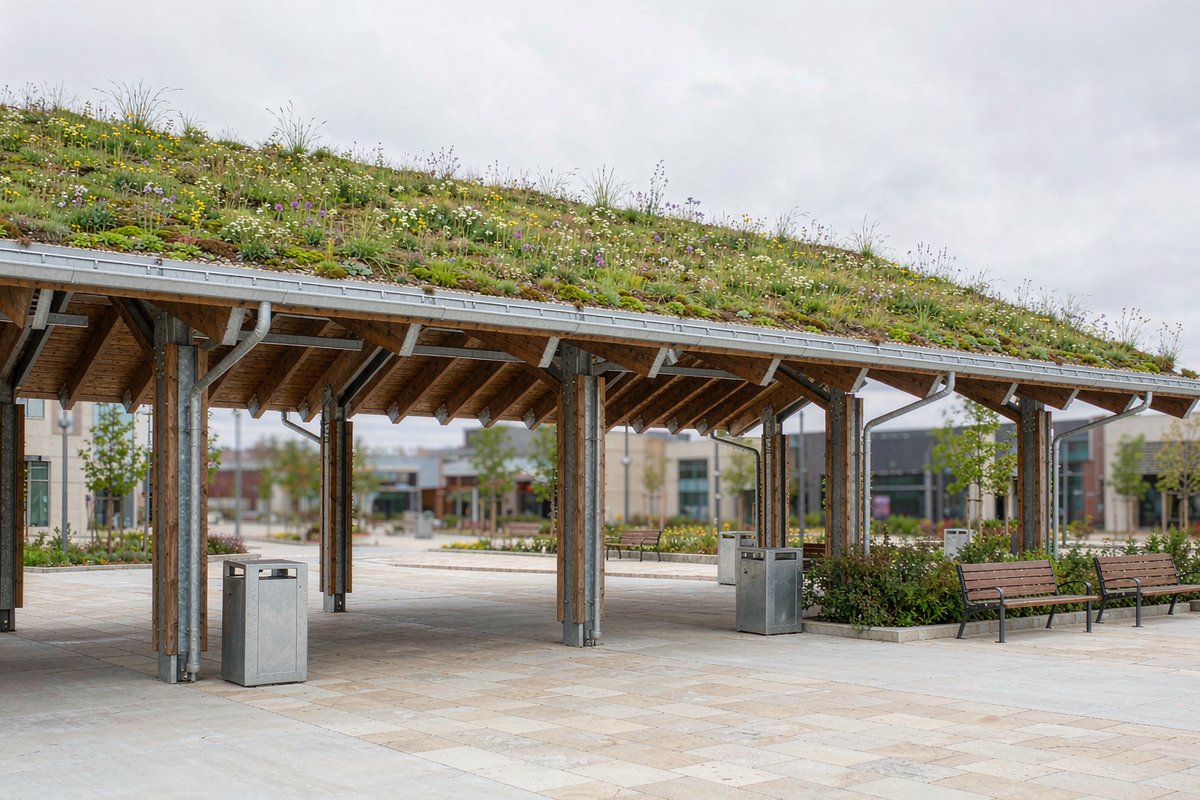
How to specify green roofs on park shelters and bin stores: structural loads, build-up layers, plant selection, maintenance regimes and the furniture around them.
Read article →
How public tender evaluation criteria for street furniture are shifting from lowest price to lifecycle cost, embodied carbon, repairability and circularity.
Read article →
Solar benches are moving from trade-show gimmick to tender line item. How PV-powered street seating works, where it pays off, and what to verify before ordering.
Read article →
How the 15-minute city concept changes street furniture specification — pocket plazas, transit-stop seating, bins and bike parking for walkable neighbourhoods, with a practical checklist.
Read article →
Fill-level sensors can cut waste collection costs, but the payback depends on routes, labour and hardware. Here is how municipalities should calculate ROI before buying smart bins.
Read article →
Six trends reshaping street furniture in 2026 — circular materials, multi-functional and smart furniture, biophilic design, inclusive seating and lifecycle-based procurement — and what they mean for your next tender.
Read article →AOTUDE manufactures trash bins, planters, benches and site facilities in a 20,000 m² factory — OEM/ODM, 5–10 year warranty, shipping to 40+ countries.